As we embrace 2025, the floral design world is experiencing a remarkable evolution that blends sustainability, bold creativity, and timeless elegance. At MetaCoupons Flowers, we're excited to share the trends shaping celebrations, weddings, and everyday moments this year. From unexpected color combinations to innovative design techniques, these trends reflect our changing relationship with nature and celebration.
Sustainability Takes Center Stage
Environmental consciousness has moved from trend to necessity in floral design. Modern consumers demand beauty that doesn't compromise our planet's future. This year, sustainable floristry isn't just about locally sourced blooms—it's a comprehensive approach that considers every aspect of flower production, transportation, and presentation.
We're seeing increased demand for seasonal, locally grown flowers that minimize carbon footprints while supporting local agricultural communities. Customers appreciate knowing their bouquets traveled minimal distances, arriving fresher while reducing environmental impact. Seasonal selections also mean flowers are naturally at their peak, offering superior quality and longevity.
Eco-Friendly Packaging Revolution
Traditional floral packaging generates significant waste, but 2025 brings innovative alternatives. Biodegradable wrapping materials, reusable containers, and minimal packaging designs are becoming standard. We've eliminated plastic wrapping in favor of natural burlap, recycled paper, and even plantable seed paper that recipients can grow into wildflowers. These changes prove that environmental responsibility and aesthetic beauty aren't mutually exclusive.
Bold, Unexpected Color Palettes
This year throws traditional color rules out the window. Designers are embracing fearless combinations that create visual excitement and emotional impact. Deep jewel tones—emerald greens, sapphire blues, and amethyst purples—paired with vibrant oranges and hot pinks create arrangements that command attention and spark conversation.
Monochromatic designs continue evolving beyond simple single-color arrangements. Modern monochromatic bouquets explore varying shades, textures, and bloom sizes within one color family, creating depth and sophistication. A "red" arrangement might feature burgundy dahlias, coral roses, crimson ranunculus, and blush pink accents, demonstrating that single-color doesn't mean simple.
The Return of Earthy, Natural Tones
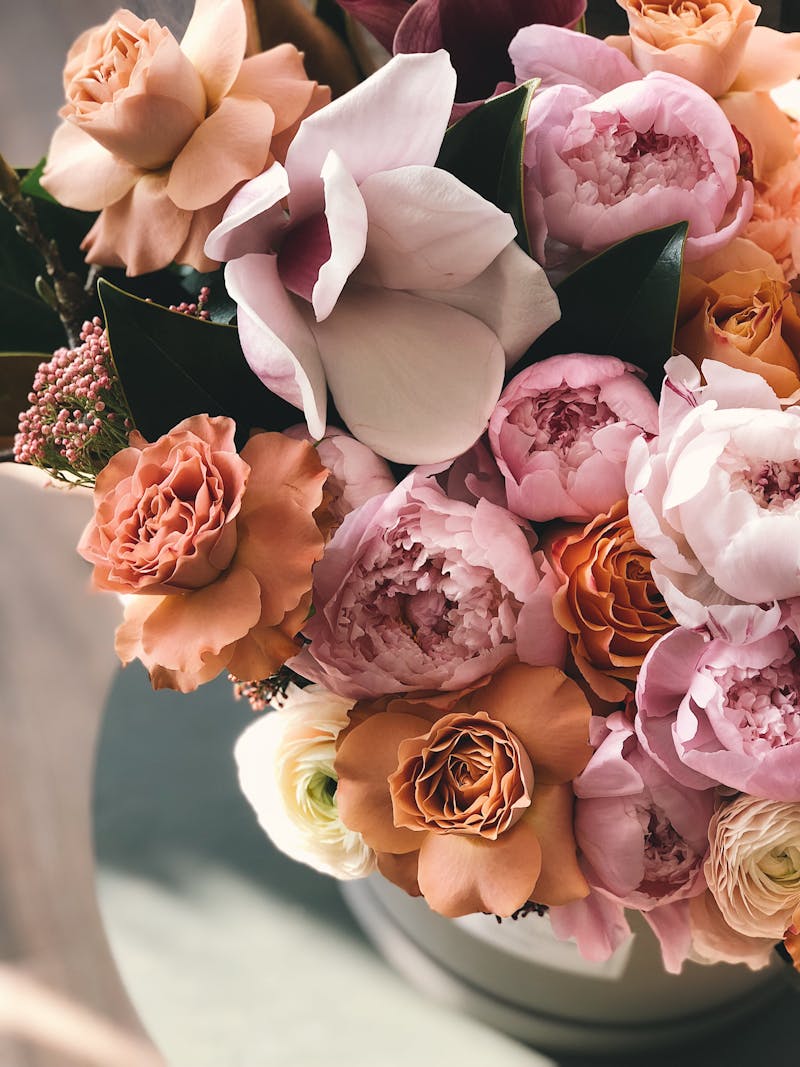
Contrasting bold palettes, another major trend embraces muted, earthy colors reflecting our desire to reconnect with nature. Terracotta oranges, sage greens, dusty roses, and warm browns create calming, grounded arrangements perfect for modern interiors. These natural palettes work beautifully with organic, garden-style designs that feel effortlessly elegant.
Architectural and Sculptural Designs
Floral design increasingly borrows from architecture and sculpture, creating arrangements that function as three-dimensional art. Angular lines, geometric shapes, and dramatic height variations transform traditional bouquets into statement pieces. Arrangements featuring bold structural elements—branches, twisted willow, or architectural foliage—add striking visual interest that traditional rounded bouquets lack.
This trend particularly shines in corporate and luxury settings, where dramatic presentations make powerful impressions. Large-scale installations featuring suspended florals, vertical gardens, and sculptural centerpieces are becoming standard for high-end events, demonstrating flowers' potential beyond traditional vase arrangements.
Wild, Garden-Style Arrangements
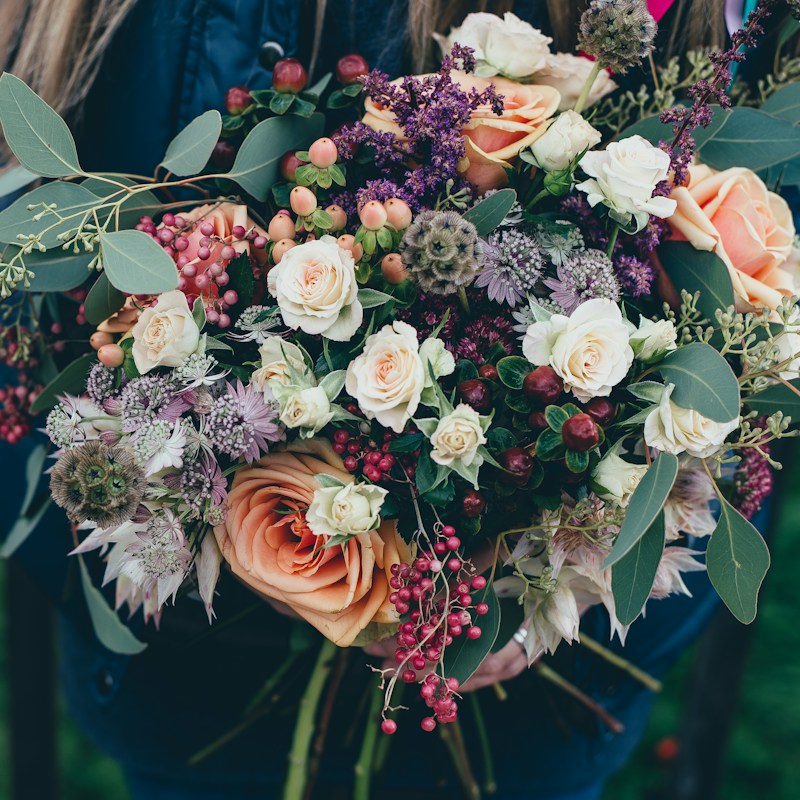
In beautiful contrast to architectural precision, loose, organic garden-style arrangements continue gaining popularity. These designs celebrate natural growth patterns, featuring flowers at various stages—from tight buds to full blooms—mixed with abundant foliage, grasses, and wildflowers. The effect is effortlessly romantic, as though flowers were just gathered from an English country garden.
Garden-style arrangements embrace imperfection as beauty. Stems curve naturally, blooms face different directions, and varied heights create organic movement. This approach feels personal and authentic, resonating with couples seeking wedding flowers that feel genuine rather than overly styled.
Dried Flowers and Preserved Elements
Dried flowers are experiencing renaissance as designers discover their unique aesthetic and practical benefits. Beyond simple dried lavender, modern dried arrangements incorporate pampas grass, protea, bunny tails, and carefully preserved garden roses in stunning natural and dyed colors. These arrangements offer longevity that fresh flowers can't match, making them economical and sustainable choices.
Mixing fresh and dried elements creates fascinating textural contrasts while extending arrangement lifespans. A bouquet featuring fresh roses and peonies with dried grasses and seed pods offers immediate beauty with lasting components that remain beautiful long after fresh flowers fade.
Textural Diversity and Unexpected Elements
Texture has become as important as color in contemporary floral design. Designers layer smooth petals with fuzzy foliage, delicate blooms with architectural leaves, and soft roses with spiky thistle. This textural complexity engages viewers visually and tactilely, creating arrangements that invite closer inspection.
Unexpected elements are making regular appearances in modern arrangements. Fruits like pomegranates, figs, and berries add visual interest and symbolic meaning. Vegetables—artichokes, kale, and brussels sprouts—contribute unique shapes and colors. Even non-botanical elements like feathers, crystals, and metallic accents are being thoughtfully incorporated for dramatic effect.
Personalization and Storytelling
Generic arrangements are giving way to deeply personal designs that tell individual stories. Clients increasingly request flowers with specific meaning—blooms from their grandmother's garden, flowers featured in family weddings, or plants symbolizing personal journeys. Professional florists act as storytellers, translating personal narratives into floral language.
This trend is particularly prominent in wedding floristry, where couples want every detail reflecting their unique love story. Incorporating meaningful elements—whether specific flower varieties, family heirloom containers, or color palettes from significant moments—transforms arrangements from beautiful decorations into emotional experiences.
Technology Meets Tradition
While floral design remains fundamentally hands-on, technology is enhancing how we create, order, and enjoy flowers. Virtual consultations allow detailed planning from anywhere, augmented reality apps let clients visualize arrangements in their spaces before ordering, and improved preservation techniques extend flower freshness during delivery.
Social media continues influencing trends dramatically. Instagram-worthy arrangements featuring unique containers, dramatic colors, and photogenic styling drive design innovation. Savvy florists create designs that photograph beautifully while maintaining traditional quality and craftsmanship standards.
Conclusion: Embracing Change While Honoring Tradition
The floral trends of 2025 demonstrate exciting evolution in our relationship with flowers. From sustainability commitments to bold creative experiments, these trends reflect deeper cultural shifts toward environmental responsibility, authentic self-expression, and meaningful celebration. Yet beneath modern innovations, traditional values remain—the joy of giving flowers, the beauty of natural blooms, and flowers' unique ability to communicate emotions beyond words.
At MetaCoupons Flowers, we're excited to bring these trends to Cluj-Napoca, creating arrangements that honor both innovation and tradition. Whether you're drawn to bold contemporary designs or prefer timeless classic styles, our team is ready to help you explore the beautiful possibilities that 2025's floral landscape offers. The future of flowers is bright, sustainable, and more creative than ever.
← Back to Blog